Every specialty car belongs to a breed.
"Specialty" isn't a price point. It's any car whose value lives in something ordinary cars don't have: a spec, a story, a number built, a way it makes you feel at 4,000 rpm. The Vehicles list sorts the collection by origin; this is the other lens, by character. A car can belong to more than one breed, and a few defy the categories entirely. Each breed gets a summary, the cars that define it, and a note on how its market tends to behave. The Journal tracks what's moving week to week.
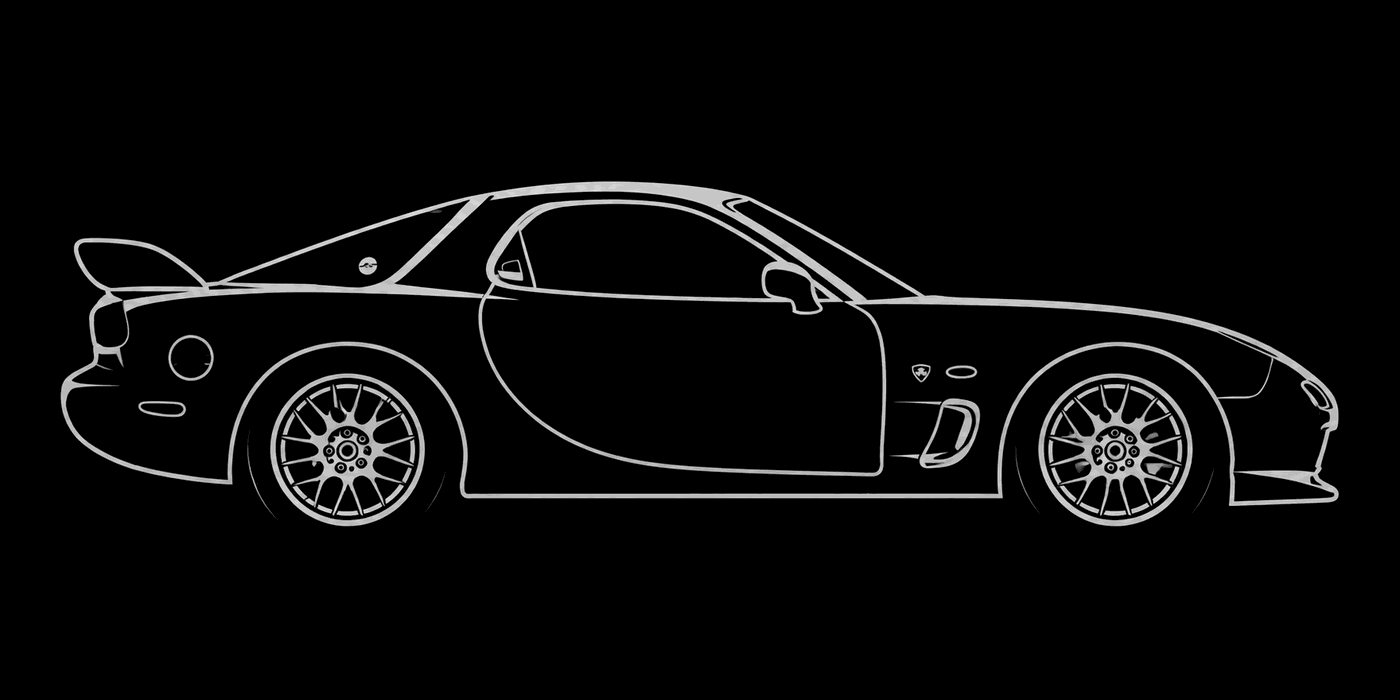
Analog performance
Three pedals, hydraulic steering, an engine that revs because it breathes: these are the cars built just before software took over the driving. They're not the fastest things on the road anymore, and that's precisely the point: their value is the experience, which no future model year can replicate. It's the breed we're drawn to most, the analog M3s, GT3s and S2000s of the world, because every year the industry retires another manual, the fixed supply of great analog cars serves a growing congregation.
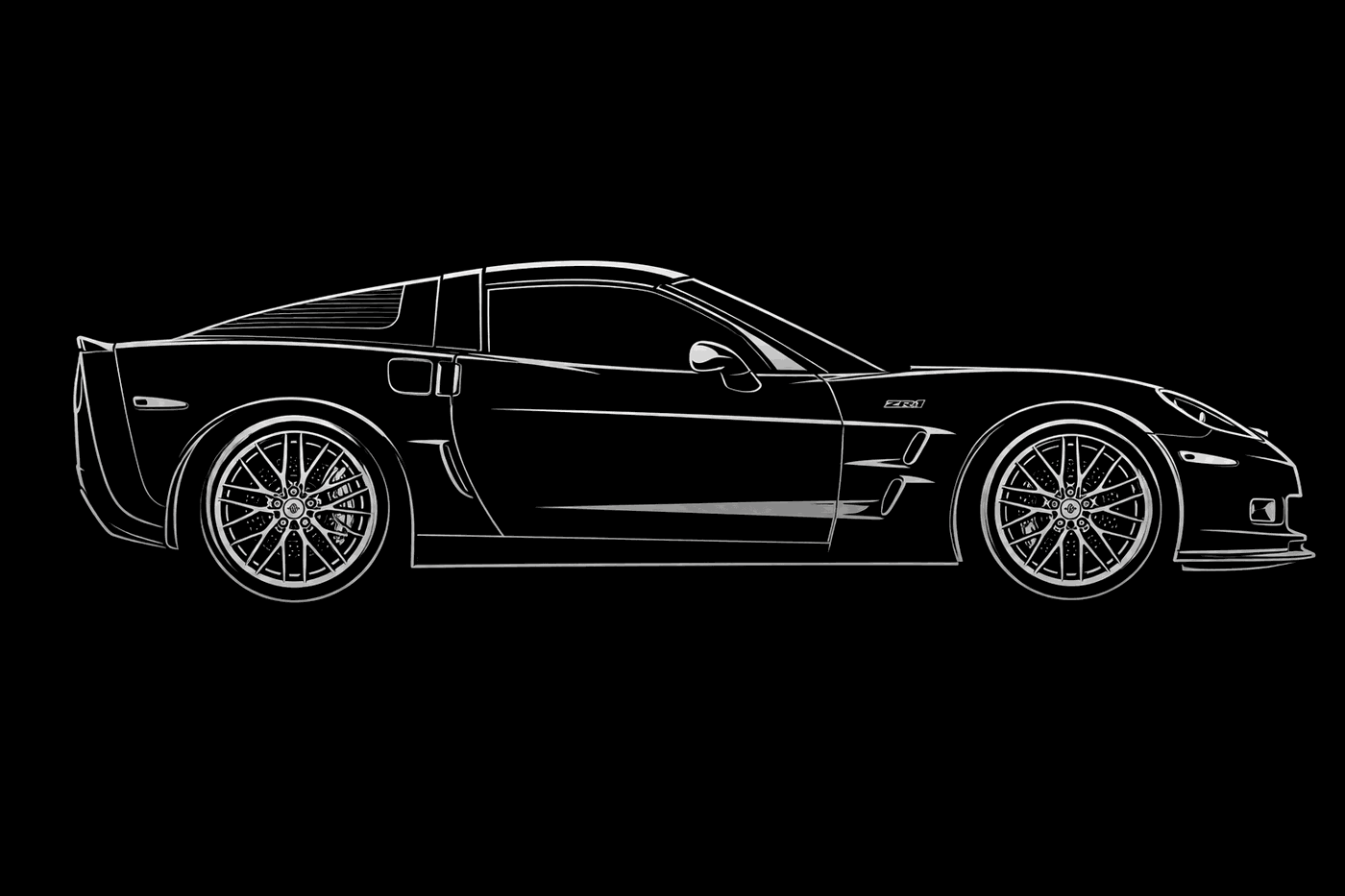
Homologation specials
To go racing, manufacturers once had to sell road versions of their competition machines, so for a few glorious decades the rulebook itself wrote the spec sheet. These cars exist in exact, documented quantities, carry genuine motorsport DNA, and their stories are verifiable in period race results. They are the blue chips of the enthusiast world: the reason an E30 M3 or an Integra Type R commands the money it does despite modest power figures.
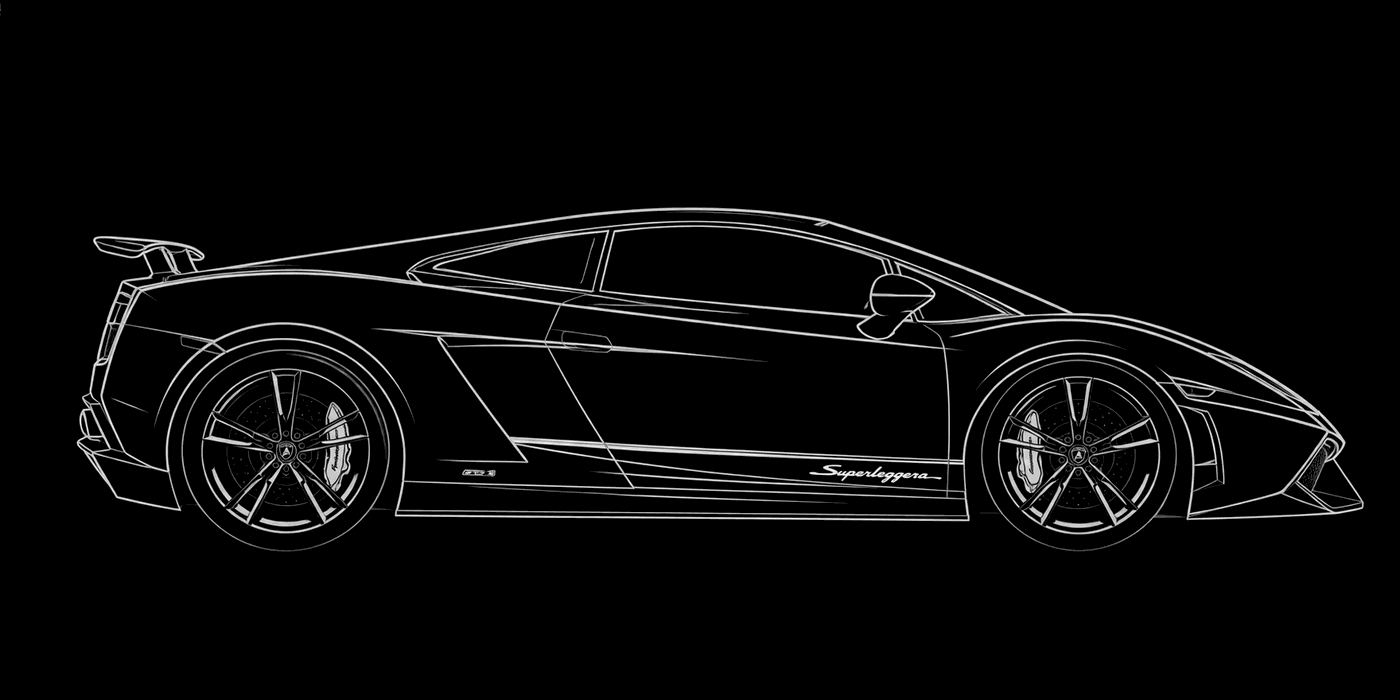
Limited editions & send-offs
Production-run cars made scarce on purpose: final editions, anniversary specials, paint-and-package runs of a few hundred units. The cynical view is "sticker packages"; the correct view is that the factory chooses these moments to build the most focused version of a car it will ever make, and the numbered plaque does the appreciating. Documentation is everything here: the build number, the original window sticker, the books. Two identical-looking cars can be $40k apart on provenance alone.
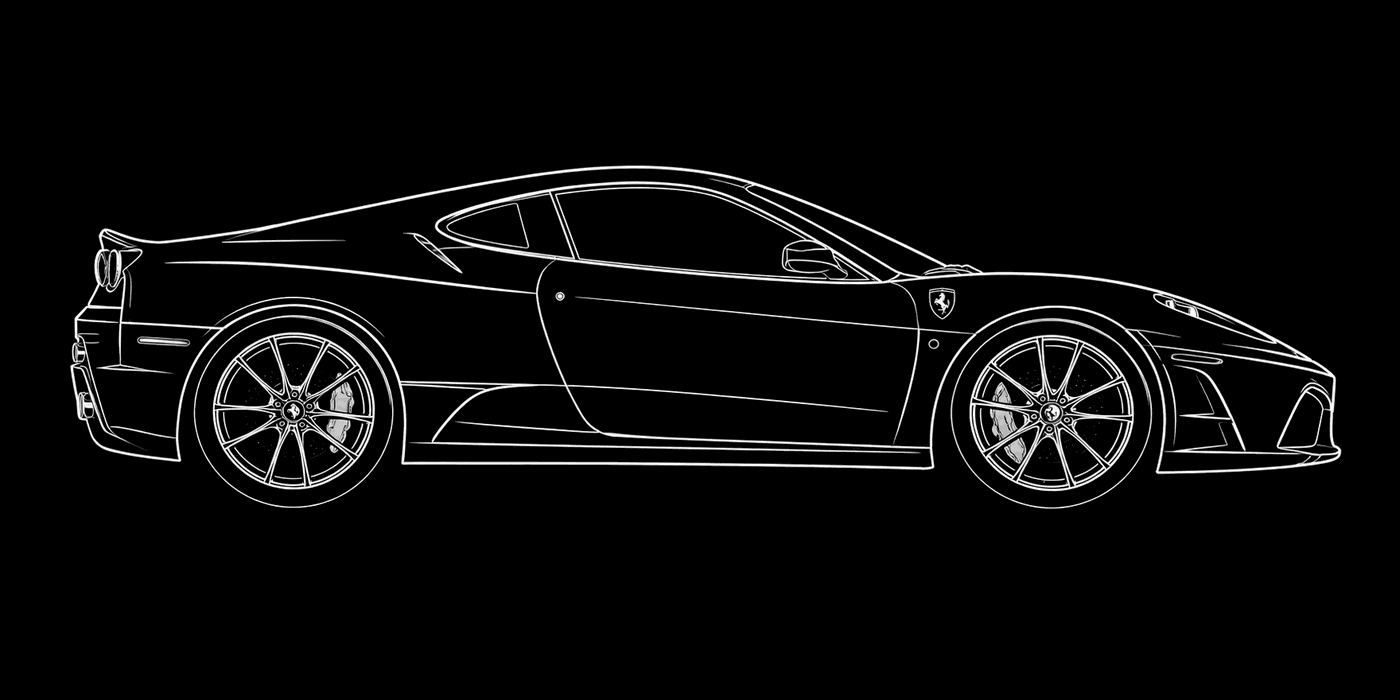
Hypercars
Once a generation a maker builds a car with no compromise and no price ceiling: the technology flagship that drags the rest of the range forward. F1-derived monocoques, race-bred V12s and, later, electrified powertrains are the halo cars a brand names after its founder or its championship. Built in the hundreds, bought as trophies and driven rarely, they are the bluest chips in the specialty world; the risk here is provenance, never depreciation.
Grand tourers & exotic icons
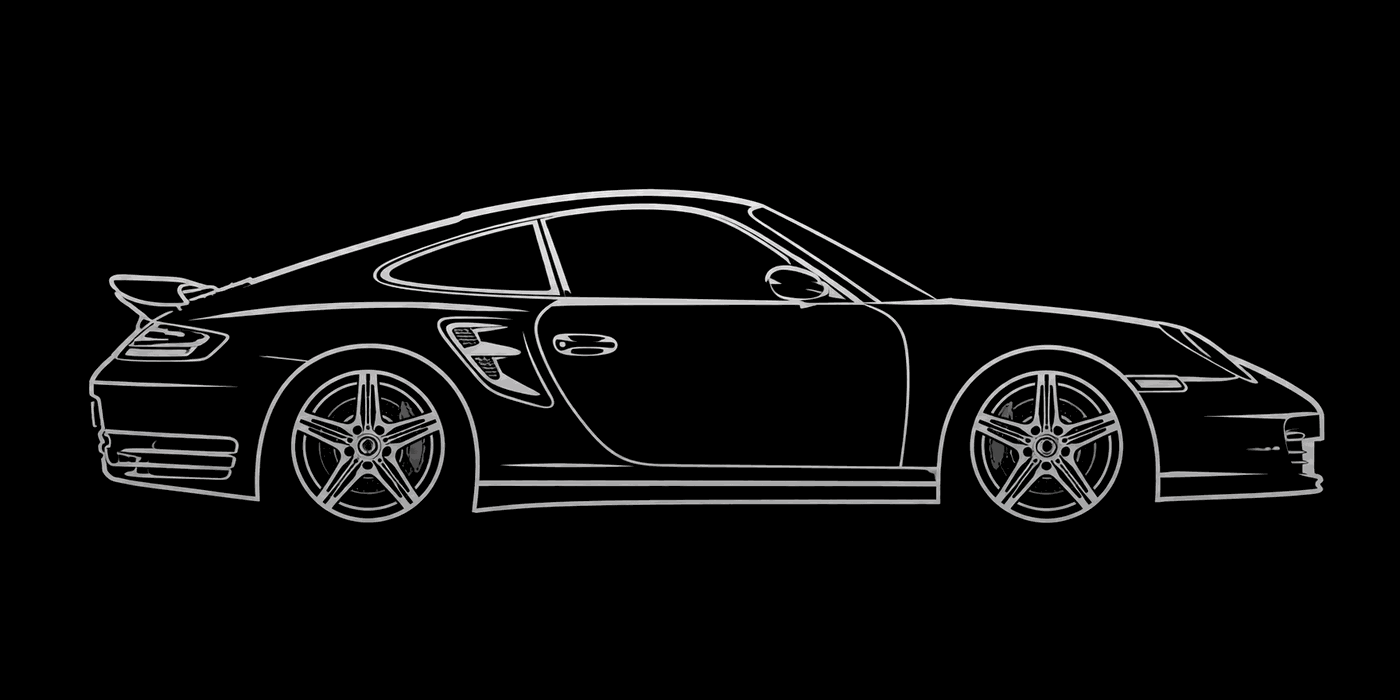
Some cars earn their place not through a rulebook or a limited run but through sheer presence: the design landmarks and continent-crushers that defined their era's idea of the exotic. The mid-engined wedge that became every kid's bedroom poster, the first Japanese car the world took seriously, the hand-built GT that swallows a country before lunch. Value rides on originality, iconic colour and an unbroken story; these are cars bought with the heart and validated by the market.
Restomods & builds
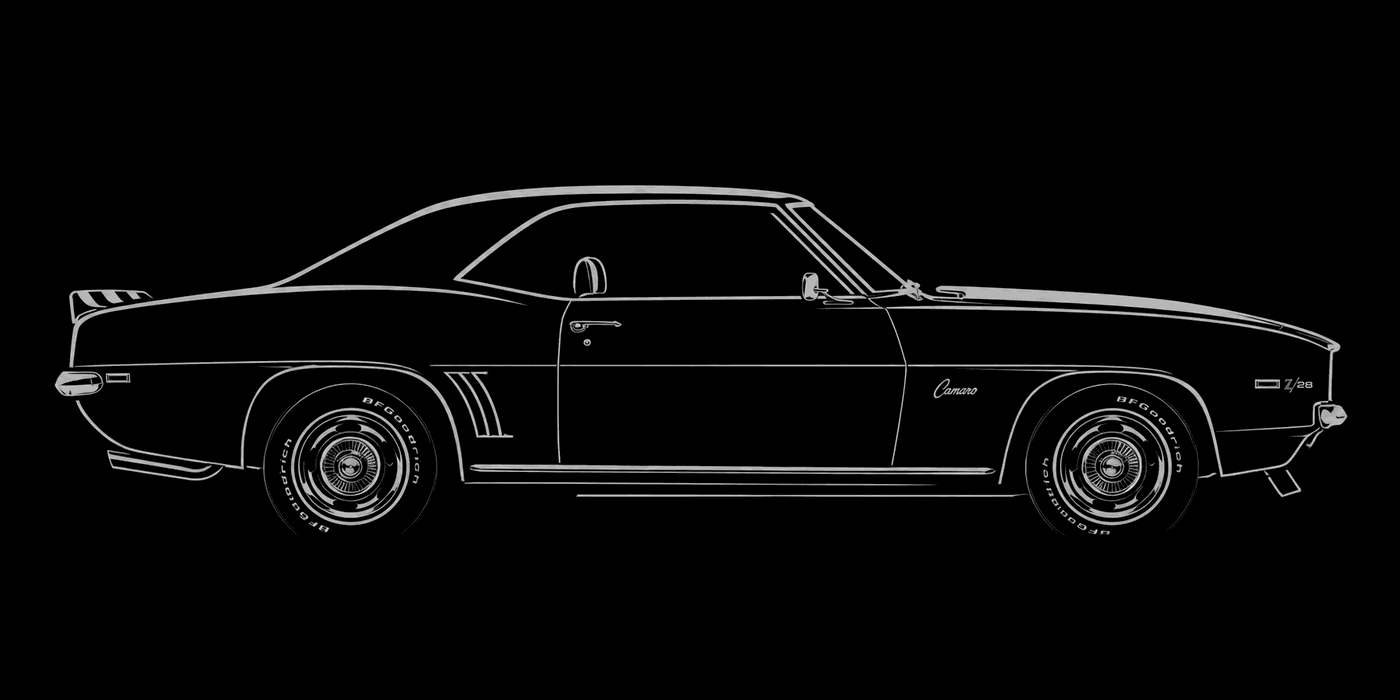
Classic bodies over modern drivetrains, suspension and electronics. Done at the top level this is the fastest-growing corner of the specialty world; done in a home garage it's a money pit wearing a classic's face. The valuation rule inverts here: the builder's name and the build documentation matter more than the donor car. A binder of invoices, dyno sheets and photos is the difference between a six-figure asset and an unsellable science project.